
low iron tempered solar glass
How to Turn Off a Water Valve A Comprehensive Guide Water valves play a crucial role in maintaining the plumbing systems in our homes and businesses. They control the flow of water to different areas, allowing us to manage water usage, conduct repairs, or respond to emergencies. Knowing how to turn off a water valve is an essential skill every homeowner should possess. This guide will help you understand the types of water valves, the steps to turn them off, and some tips for preventing issues. Understanding Water Valves There are several types of water valves that you may encounter, including 1. Ball Valve This type has a spherical disc that can stop or start the water flow. They are typically easy to operate as they require only a quarter turn to shut off the flow. 2. Gate Valve A gate valve uses a wedge-shaped metal gate to stop water flow. These valves require several turns to open or close fully. 3. Globe Valve Similar to a gate valve but designed for throttling purposes, globe valves can regulate flow better but generally restrict flow more than ball and gate valves. 4. Stop Valve Often found under sinks, these valves can quickly shut off water to a specific fixture. Locating the Valve Before you can turn off the water, you need to locate the appropriate valve . Common locations include - Main Water Supply Valve Usually found in basements, crawl spaces, or near the perimeter of the house where the water line enters. It’s typically larger and may look different depending on its design (gate or ball valve). - Fixture Shut-Off Valves These valves are located near individual appliances like sinks, toilets, and washing machines. They usually have a knob or lever for easy operation. Steps to Turn Off a Water Valve how to turn off water valve 1. Identify the Correct Valve Confirm which valve controls the water supply to the section you want to turn off (e.g., whole house or specific fixture). 2. Prepare Your Space Clear the area around the valve so you have enough room to work. It might also be wise to have a bucket or towels handy in case of water spillage. 3. Turn Off the Valve - For a Ball Valve Rotate the lever a quarter turn until it is perpendicular to the pipe (horizontal to the valve body). - For a Gate Valve Rotate the handle clockwise until it stops. Don’t force it as it could damage the valve. - For a Globe Valve Turn the handle clockwise until it’s fully closed. - For a Stop Valve These often just require a simple turn of the handle clockwise. 4. Check for Leaks After you’ve turned off the valve, check the area for any leaks. If you notice any signs of water, you may need to adjust the valve further or seek professional assistance. 5. Test the Water Flow Open a faucet connected to the same line to check if the water has been successfully turned off. If water continues to flow, go back and ensure the valve is completely closed. Tips for Maintenance and Prevention - Regular Checks Periodically ensure that your valves are functioning properly. Turn them on and off to prevent them from becoming stuck over time. - Replacement Plan If a valve feels difficult to turn or shows signs of wear, consider replacing it. Old or damaged valves can lead to leaks or water damage. - Emergency Ready Know the location of your main water supply valve and ensure it’s easily accessible in case of a plumbing emergency. Conclusion Being able to turn off a water valve is a simple yet effective way to manage your plumbing. Whether you’re preparing for a repair, protecting your home from water damage, or simply looking to conserve water, understanding how to operate your water valves will equip you with a crucial skill. Remember to stay vigilant about regular maintenance to ensure your water systems function smoothly and effectively.
about
low iron tempered solar glass
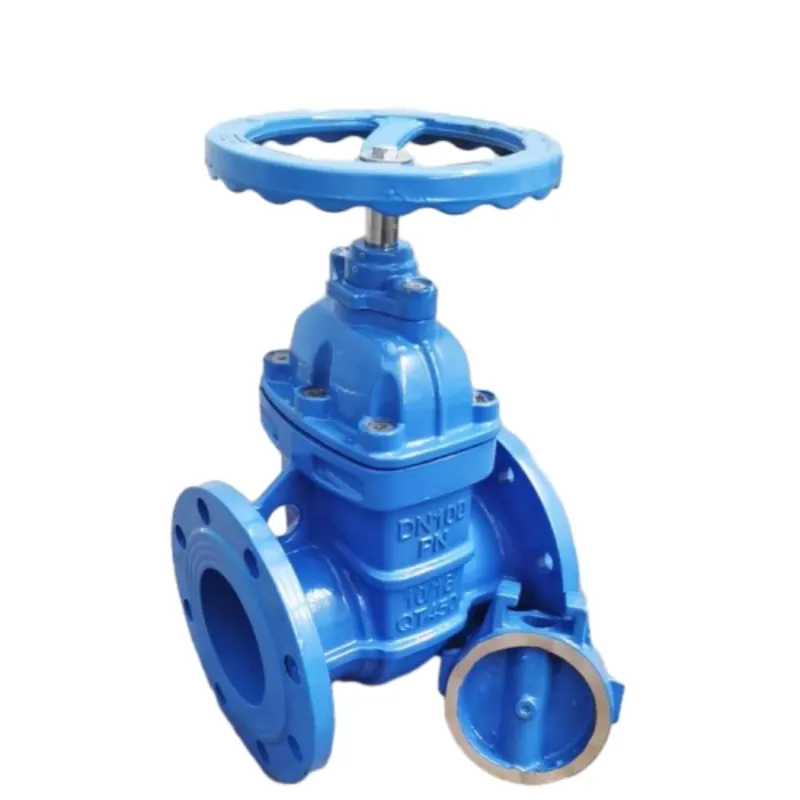
Understanding the Price of 300mm Gate Valves Gate valves are an essential component in various industries, serving as mechanisms for controlling the flow of liquids and gases in pipelines. When it comes to specific applications, the size and type of valve required can significantly influence the price, with the 300mm gate valve being a common choice in many settings. This article explores the factors influencing the price of 300mm gate valves, providing insights into making informed purchasing decisions. What is a 300mm Gate Valve? A gate valve is designed to allow or block the flow of fluid through a pipeline. The 300mm specification refers to the valve's diameter, indicating that it is capable of managing substantial volumes of flow. Gate valves are preferred for on-off applications and are not typically used for flow regulation due to their design, which can disrupt the flow if partially opened. They are widely used in water supply systems, wastewater management, and industrial processes. Factors Influencing the Price of 300mm Gate Valves 1. Material Composition The material used in manufacturing gate valves significantly affects pricing. Common materials include cast iron, stainless steel, and bronze, each offering different durability, resistance to corrosion, and pressure handling capabilities. For example, a stainless steel 300mm gate valve will generally cost more than a cast iron equivalent due to its superior properties and longevity. 2. Design and Features The complexity of the gate valve design can also influence its price. Valves with additional features, such as blow-off valves, locking mechanisms, or automated actuation systems, will be priced higher due to increased manufacturing costs. Standard manual gate valves are typically less expensive than their automated counterparts. 300mm gate valve price 3. Brand and Manufacturer Reputation Renowned manufacturers often command higher prices due to their reputation for quality and reliability. Investing in a gate valve from a well-regarded supplier may provide peace of mind, particularly in critical applications where failure could result in significant losses. However, there are also many reputable brands offering competitive pricing without compromising quality. 4. End-User Applications The industry in which the valve will be used can also affect pricing. For instance, valves designed for industrial applications may be more robust and therefore more expensive than those intended for residential or light-duty applications. Understanding the specific requirements of your application is vital to ensuring you choose the right valve at a reasonable price. 5. Market Conditions Fluctuations in the steel and manufacturing markets can lead to volatility in valve pricing. Supply chain issues, tariffs, and global market demands all play a role in determining the final cost of valves. As these factors evolve, prices may increase or decrease, impacting budgeting for procurement. 6. Shipping and Handling Finally, shipping costs can add to the overall price of a 300mm gate valve. Depending on the supplier's location and the shipping method chosen, transport costs can vary significantly. It's worth looking at multiple suppliers to find the best total price, including shipping. Conclusion The price of a 300mm gate valve can range widely based on various factors including material, design, brand reputation, and market conditions. It's crucial to conduct thorough research and possibly consult with industry experts to ensure you are making an informed decision. Understanding your specific application needs and the associated costs can help you choose the right gate valve that not only meets your operational requirements but is also a prudent financial investment. By taking the time to evaluate your options, you can secure a reliable gate valve that delivers value for money in the long term.
-

High quality industrial productsagement

High quality industrial products
View Details -

Meet the diverse needs of customers

Meet the diverse needs of customers
View Details -

Strict quality control

Strict quality control
View Details -

Top raw materials

Top raw materials
View Details -

Trusted supplier

Trusted supplier
View Details
Our application
news and information
valve for sale
Understanding the Importance of Quality Valves for Sale Expert Insights For those heavily invested i
Versatile 3x4 Welding Table for Precision Projects and Durable Fabrication
3x4 welding table .

Various control valve types and their practical uses in different applications
Control valves are an essential component in various industries and applications, helping regulate t
 English